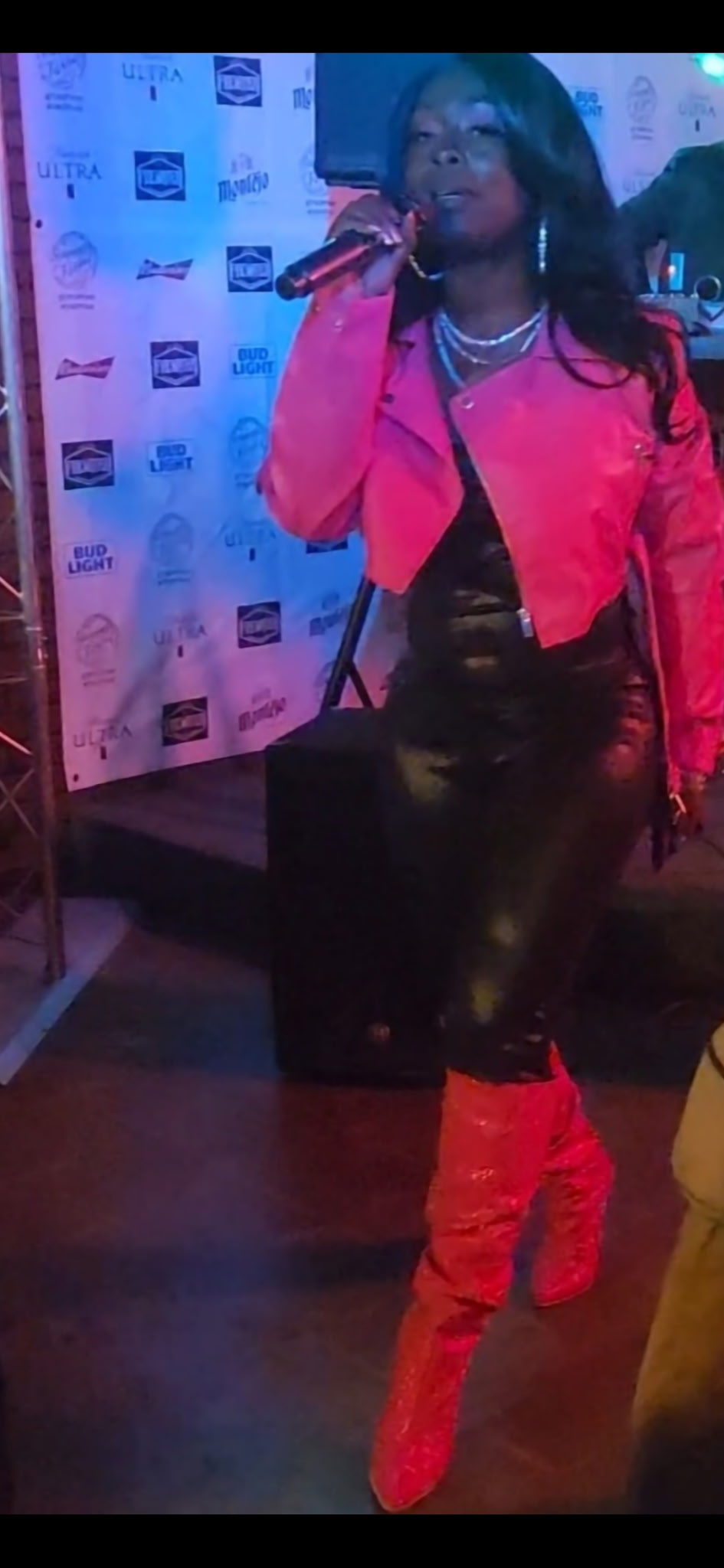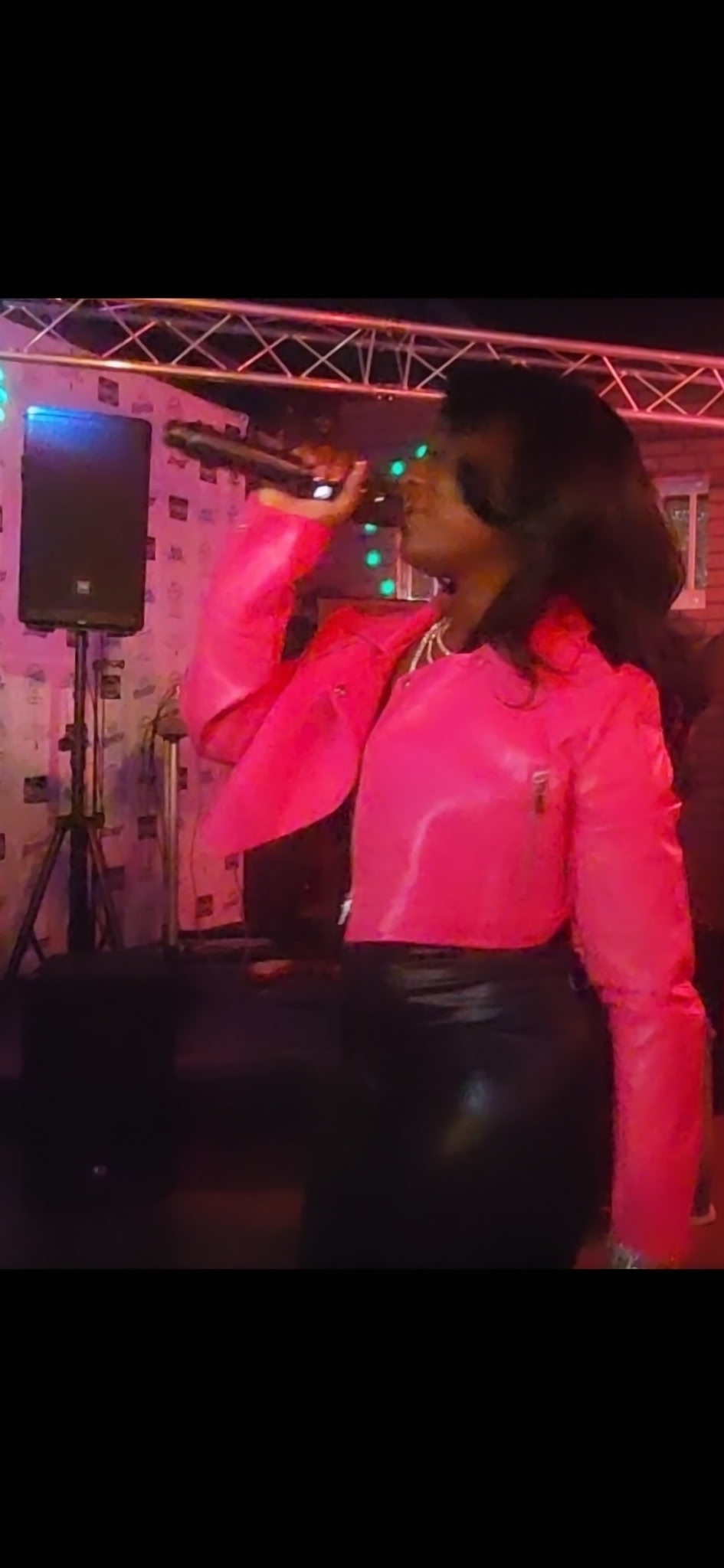
Los Angeles Artist Who Opened for Kehlani, Saweetie, and Earned Wu-Tang's Stage Now Debuts in Afrobeat Market - "Let Me Find Out" Marks Genre-Defying Transformation and Cultural Homecoming
LOS ANGELES, CA – The most exciting artist transformations happen when established talent refuses to be confined by genre boundaries and follows their artistic truth wherever it leads. Mia Royale, the Los Angeles performer who's commanded hip-hop and R&B stages alongside legends like Kehlani, Saweetie, and Wu-Tang Clan, is making a bold declaration with her explosive new single "Let Me Find Out": she's claiming her space in the Afrobeat revolution, and the dancefloor will never be the same.
This isn't an artist chasing trends. This is an African American artist connecting to her cultural roots through rhythm, exploring the sonic lineage that flows from Africa through the diaspora and into contemporary global music. "Let Me Find Out" represents more than a new single – it's Mia's announcement that she refuses to be boxed into one genre, one sound, one market when her artistry demands the freedom to evolve.
With a major motion picture soundtrack confirmed for the 2026 theatrical release "Love Miles Away," an international dancehall lounge tour bringing her new sound to venues worldwide, and the credibility earned from years dominating hip-hop and R&B stages, Mia Royale isn't starting from scratch in Afrobeat – she's bringing an established fanbase, proven talent, and industry respect to a genre hungry for fresh voices with authentic stories.
This is what artistic evolution looks like when it's done right: honoring where you've been while boldly claiming where you're going. Welcome to Mia Royale's Afrobeat era – the genre expansion that proves great artists don't stay still, they grow.
The Evolution: From Hip-Hop/R&B Stages to Afrobeat's Calling
Mia Royale's journey to "Let Me Find Out" began long before the single's creation – it began in the studios, on the stages, in the television appearances and stage plays where she built her foundation as a hip-hop and R&B performer. Growing up surrounded by musicians, Mia absorbed the sounds that shaped Black American music: the storytelling of hip-hop, the emotion of R&B, the soul that runs through every genre the diaspora touches.
She proved herself in these spaces. She opened for hip-hop royalty: Suga Free, Soulja Boy, The Luniz (the legends behind "I Got 5 On It"). She commanded R&B stages alongside Kehlani and Saweetie, artists known for selecting only the finest talent to share their spotlight. She earned respect from West Coast production genius DJ Quik and Producer G1, who saw her potential and invested time mentoring her artistry.
Then came the moment that validated everything: Wu-Tang Clan, after completing their Hollywood performance, asked Mia to take their stage and perform. On the spot. No rehearsal. When hip-hop legends hand you their microphone, that's not charity – that's recognition of undeniable talent.
But something was stirring in Mia's creative spirit. The rhythms calling to her weren't just hip-hop's boom-bap or R&B's smooth grooves – they were the polyrhythmic patterns of Afrobeat, the genre born in Africa and now exploding across global charts. Artists like Burna Boy, Wizkid, and Tems were proving Afrobeat's worldwide appeal. The sound was calling her home.
As an African American artist, Mia recognized this wasn't about jumping on a trend – this was about exploring her cultural lineage through music. The rhythms of Afrobeat connect directly to the African roots that flow through Black American culture. Embracing Afrobeat wasn't abandoning hip-hop and R&B; it was expanding her artistic vocabulary while honoring the cultural connections that bind the diaspora together.
"Let Me Find Out" emerged from this revelation: Mia Royale's official entry into the Afrobeat market, carrying all the credibility she built in hip-hop and R&B while fearlessly claiming new sonic territory.
"Let Me Find Out": The Afrobeat Debut That Changes Everything
Available now at www.miaroyale.com, "Let Me Find Out" isn't just another single – it's a declaration of artistic freedom and cultural connection. The track pulses with Afrobeat's signature polyrhythmic energy, layered percussion, and infectious grooves that make bodies move instinctively.
But what makes "Let Me Find Out" special is what Mia brings from her hip-hop and R&B foundation: American production sensibilities, lyrical confidence, and the understanding of how to make music that works on multiple levels. This isn't an artist awkwardly trying on new sounds – this is a seasoned performer expanding her range while maintaining the authentic voice that earned industry respect.
The single represents Mia's unique positioning: she's not an African artist bringing Afrobeat to America (though that lane is powerful and necessary). She's an African American artist exploring her cultural roots through contemporary Afrobeat while bringing the production polish and market understanding of someone who's already conquered American stages. She's building a bridge between Black American music traditions and Afrobeat's global explosion.
This gives her a distinct advantage in the Afrobeat market: she can speak to American audiences in their sonic language while introducing them to rhythms that connect to their ancestral past. She's making Afrobeat accessible to fans who grew up on hip-hop and R&B, showing them that Afrobeat isn't "foreign music" – it's family music, it's homecoming music, it's the sound of cultural connections that were never truly severed.
The Cultural Statement: African American Artist Reclaiming Roots
Mia's move into Afrobeat carries significance beyond typical genre experimentation. As an African American artist, her embrace of Afrobeat represents something profound: the diaspora reconnecting through music, acknowledging that the rhythms flowing through hip-hop and R&B trace directly back to African musical traditions.
African American music – from blues to jazz to funk to hip-hop – has always carried African rhythmic DNA. The call-and-response patterns, the polyrhythms, the emphasis on groove and movement – these elements connect directly to West African musical traditions. Afrobeat makes these connections explicit, undeniable, celebratory.
When Mia says she's exploring Afrobeat, she's not appropriating someone else's culture – she's claiming her own heritage through contemporary expression. She's part of a growing movement of Black American artists recognizing that Afrobeat isn't separate from their musical identity; it's another branch of the same tree.
This cultural authenticity distinguishes her Afrobeat debut from artists who chase trending sounds without understanding their deeper significance. Mia approaches Afrobeat with reverence and personal connection, understanding that these rhythms belong to her as much as hip-hop's breaks and R&B's melodies do.
Her expansion into Afrobeat also challenges the industry's tendency to keep Black music segregated into artificial categories. Why should an artist choose between hip-hop and Afrobeat when both share cultural DNA? Why limit creative expression to one genre when talent demands the freedom to explore? Mia's evolution proves that the best artists refuse these limitations.
The Wu-Tang Validation: Hip-Hop Credibility Meets Afrobeat Ambition
Every artist remembers the moment everything changed. For Mia Royale, that moment happened on a Hollywood stage when Wu-Tang Clan – legends who've influenced generations of hip-hop – invited her to perform after their show.
This wasn't a scheduled appearance. This was Wu-Tang recognizing something special and making a spontaneous decision to share their platform. When you earn that level of respect from hip-hop royalty, you've proven you belong in elite company.
That Wu-Tang moment becomes even more significant now as Mia enters the Afrobeat market. She's not an unknown artist hoping to break through – she's an established performer with hip-hop credibility expanding her artistic range. The respect she earned from legends doesn't disappear when she explores new genres; it travels with her, validating every move she makes.
This is why Mia's Afrobeat debut carries different weight than typical genre experiments. She's already proven herself on the biggest hip-hop and R&B stages. She's already earned co-signs from DJ Quik and Producer G1. She's already commanded crowds alongside Kehlani and Saweetie. When an artist with that resume says "I'm doing Afrobeat now," the industry listens because they know she brings excellence to everything she touches.
The Stage Royalty: Hip-Hop Foundation Meeting Afrobeat Future
Understanding Mia's Afrobeat evolution requires understanding the foundation she built first. The stages she's commanded tell the story of an artist who's paid dues, earned respect, and proven she can captivate diverse audiences:
Suga Free – Legendary pimp-hop pioneer whose distinctive flow influenced generations
Soulja Boy – The artist who revolutionized internet-to-mainstream hip-hop
Kehlani – R&B's most authentic voice, known for selecting only premium opening acts
Saweetie – Bay Area princess who demands excellence from everyone sharing her stages
The Luniz – Icons behind "I Got 5 On It," West Coast hip-hop royalty
Opening for these artists taught Mia how to command rooms that didn't come for her, how to convert skeptical audiences into fans, how to deliver performances that enhance rather than diminish headliners' impact. These skills don't disappear when she enters Afrobeat – they make her debut in the genre even more powerful.
She's also not abandoning hip-hop and R&B. She's expanding. The same artist who rocks hip-hop crowds can now command Afrobeat-focused venues. The same performer who opened for Kehlani can now headline international dancehall lounges. Genre evolution doesn't erase past accomplishments – it multiplies opportunities.
From Hollywood to Global Theaters: The "Love Miles Away" Soundtrack
Mia's artistic expansion extends beyond music into cinema's biggest platform. In 2026, "Love Miles Away" arrives in major theaters nationwide, and Mia's voice will be inseparable from the film's emotional landscape. She's creating the soundtrack alongside her mother, herself an accomplished vocalist, making this a generational artistic celebration.
This film opportunity emerged from her hip-hop and R&B work, but it perfectly complements her Afrobeat evolution. Film soundtracks demand versatility – the ability to convey emotion across different sonic landscapes. Mia's genre-fluid artistry makes her ideal for this challenge.
When "Love Miles Away" releases, millions of theater audiences will hear Mia's voice attached to cinematic storytelling. Many will investigate further and discover "Let Me Find Out," her Afrobeat debut. This creates a pipeline from mainstream cinema audiences to her expanding musical identity, exposing her to listeners who might never seek out Afrobeat on their own.
The mother-daughter collaboration adds human interest that entertainment media craves, creating press opportunities that transcend typical music coverage. This becomes a story about family, legacy, artistic evolution, and cultural connection – angles that resonate far beyond music journalism's usual scope.
The International Dancehall Tour: Taking Afrobeat Worldwide
While "Let Me Find Out" introduces Mia's Afrobeat sound digitally, her upcoming international dancehall lounge tour will bring that energy to stages across continents. This represents strategic brilliance: she's not waiting to "make it" in Afrobeat domestically before going international. She's positioning herself as a global artist from day one of this genre evolution.
Dancehall venues attract audiences specifically seeking music that makes them move. These spaces don't care about an artist's previous genre – they care about energy, rhythm, and the ability to fill dancefloors. Mia's Afrobeat debut is engineered precisely for these environments, and her proven ability to command stages (remember: Wu-Tang asked her to perform) translates perfectly to international venues.
The tour also positions her uniquely in Afrobeat's ecosystem. While African artists bring authentic continental perspective and Black American artists are just beginning to explore the genre seriously, Mia arrives with:
Hip-hop and R&B credibility from years of proven work
Stage experience opening for major acts
An understanding of American markets and production
Cultural authenticity as an African American connecting to roots
"Let Me Find Out" as proof she can deliver Afrobeat that makes people move
This combination makes her appealing to international promoters seeking artists who can bridge American and African sounds while delivering performances that justify international booking budgets.
The Legend's Blessing: DJ Quik and Producer G1's Continued Support
DJ Quik, the West Coast production genius whose influence shaped California hip-hop, has provided Mia with mentorship and encouragement throughout her career. Producer G1, equally respected for sonic excellence, has similarly invested in her artistic development.
As Mia expands into Afrobeat, this mentorship becomes even more valuable. These legends understand genre evolution – DJ Quik himself has explored different sounds throughout his career. Their support signals to the industry that Mia's Afrobeat exploration isn't a desperate pivot but a natural artistic expansion backed by people who recognize genuine talent.
Their recording session advice, their production insights, their understanding of how to craft sounds that work across markets – these lessons apply to Afrobeat as much as hip-hop. Great production is great production regardless of genre, and Mia's been learning from masters who understand how to make music that resonates commercially while maintaining artistic integrity.
The Philosophy: Making Everyone Dance, Regardless of Genre
At the heart of Mia's artistic evolution lives a consistent philosophy that transcends genre boundaries: create music that makes people move, connect, and feel joy.
"I am inspired by them when I am writing songs in the studio," Mia explains. "I always want them to dance and enjoy the music I sing because I really love to see people embrace one another. It's all about having a good time and feeling confident when they feel the rhythm of the beat."
This philosophy worked in hip-hop and R&B. It works even better in Afrobeat, a genre fundamentally built around rhythm and movement. Mia isn't changing her artistic mission as she explores new sounds – she's finding genres that align even more perfectly with her purpose.
Most days find her in studios writing songs or performing at events where she specializes in "getting the crowd going" – a skill that translates seamlessly from hip-hop stages to Afrobeat dancefloors. The genre may change, but the goal remains constant: create spaces where strangers become community, where self-consciousness dissolves into confident movement, where music reminds humanity of shared joy.
Why This Evolution Works: The Perfect Timing
Mia's move into Afrobeat isn't random – it's perfectly timed cultural and commercial convergence:
Afrobeat's Global Explosion:
The genre is exploding worldwide. Burna Boy sells out stadiums globally. Wizkid collaborates with pop's biggest stars. Tems wins Grammys and soundtracks billion-dollar films. The infrastructure for Afrobeat's continued growth already exists, and Mia's debut rides this wave while bringing unique perspective.
The Diaspora Reconnection:
Black American artists are increasingly exploring African sounds, recognizing cultural connections that colonization and slavery tried to sever. Mia's exploration fits within this larger movement while bringing her unique voice and established platform to the conversation.
Genre Fluidity's Acceptance:
Modern audiences don't demand artists stay in one lane. They celebrate evolution and exploration. Mia's genre expansion meets audiences where they already are – ready to follow artists they love into new sonic territories.
The Market Gap:
While African artists dominate Afrobeat and some Black American artists experiment with it, there's space for artists like Mia who bring legitimate hip-hop/R&B credibility while making serious Afrobeat commitments. She's not doing one Afrobeat song as a gimmick – she's touring internationally, recording soundtracks, and building a sustainable presence in the genre.
What Happens Next: The Multi-Genre Empire
With "Let Me Find Out" available now, an international dancehall tour confirmed, a major motion picture soundtrack releasing in 2026, and the hip-hop/R&B foundation she's already built, Mia Royale isn't choosing between genres – she's conquering multiple markets simultaneously.
The Strategy:
Hip-hop and R&B fans follow her into Afrobeat, curious about her evolution
Afrobeat audiences discover her hip-hop credibility and stage-proven talent
Film audiences find both her Afrobeat singles and potential future hip-hop/R&B work
International tours expose her to markets hungry for American artists exploring African sounds
The Timeline:
Now: "Let Me Find Out" establishing Afrobeat presence
2025: International dancehall tour building global fanbase
2026: "Love Miles Away" soundtrack exposing her to mainstream cinema audiences
Beyond: Multiple genres, multiple markets, multiple revenue streams
The Platform:
All bookings and opportunities flow through www.miaroyale.com and How Easy Booking's revolutionary platform, proving independent artists can build multi-genre careers without label infrastructure telling them to "stay in their lane."
The Los Angeles Story: Where Evolution Is Culture
Los Angeles has always celebrated artistic evolution over rigid genre loyalty. The city that produced Dr. Dre's genre-blending production, that watched Ice Cube move from gangsta rap to film, that saw Kendrick Lamar incorporate jazz and funk – this is the environment that taught Mia that great artists don't stay still.
Now she's taking LA's genre-fluid mindset and applying it to Afrobeat exploration, proving that West Coast artists can honor hip-hop traditions while claiming space in global sounds. She represents LA's next evolution: artists who see the entire world as their market and refuse to be confined by American genre boundaries.
About Mia Royale
Mia Royale is a Los Angeles-based artist whose bold genre evolution exemplifies modern music's limitless possibilities. Building her foundation in hip-hop and R&B, Mia has commanded stages alongside industry legends, earned respect from hip-hop royalty, and proven her ability to captivate diverse audiences across television, theater, and live performance.
Growing up surrounded by musicians, Mia has performed on television shows and stage plays while developing the versatile artistry that defines her career. Her journey includes opening for hip-hop and R&B elite including Suga Free, Soulja Boy, Kehlani, Saweetie, and The Luniz (icons behind "I Got 5 On It"). West Coast production legend DJ Quik and respected Producer G1 have both provided mentorship, recognizing her exceptional talent and artistic potential.
Her defining moment came when Wu-Tang Clan invited her to perform following their Hollywood show – a spontaneous decision by legends who recognized undeniable stage presence and talent. This validation from hip-hop royalty established Mia as an artist who belongs in elite company.
Now, Mia is making her bold entry into the Afrobeat market with "Let Me Find Out" (available at www.miaroyale.com), her explosive debut single that connects her African American roots to Afrobeat's global explosion. This isn't trend-chasing – it's cultural homecoming, an artist exploring the rhythmic lineage that connects the diaspora through Music Her upcoming international dancehall lounge tour will bring her Afrobeat evolution to venues across continents, while her work on the "Love Miles Away" film soundtrack (releasing in major theaters in 2026) showcases her versatility beyond genre boundaries. Recording alongside her mother – herself an accomplished vocalist – Mia will introduce cinema audiences to the voice that's been captivating live crowds and earning industry respect.
Mia's artistic philosophy transcends genre: "I am inspired by them when I am writing songs in the studio. I always want them to dance and enjoy the music I sing because I really love to see people embrace one another. It's all about having a good time and feeling confident when they feel the rhythm of the beat."
Whether commanding hip-hop stages, exploring Afrobeat's rhythmic possibilities, or creating film soundtracks, Mia Royale represents the future of music: artists who refuse limiting boxes, who honor multiple cultural traditions, and who understand that great artistry demands the freedom to evolve.
Booking & Media Contact
For Bookings, International Tour Dates, Media Inquiries & Collaboration:
📧 Email: msmiatcp@gmail.com
📱 Instagram: @miaroyaleofficialpage
🌐 Official Website: www.miaroyale.com
🎵 Stream "Let Me Find Out": www.miaroyale.com
Press Kit, Performance Videos & High-Resolution Photos:
Available immediately upon request
International Booking:
How Easy Booking
www.howeasybooking.com
EDITOR'S NOTE:
Mia Royale is available for interviews discussing her genre evolution, African American artists exploring Afrobeat, the diaspora's cultural reconnection through music, film soundtrack work, and international tour plans. Exclusive performance footage from Wu-Tang Clan event, opening performances for Kehlani and Saweetie, studio sessions, and "Let Me Find Out" content available for editorial use.
For urgent inquiries regarding international tour bookings, film/television soundtrack opportunities, festival appearances, or interview scheduling, contact via email or Instagram.
BROADCAST & DIGITAL MEDIA: Professional performance footage from hip-hop/R&B shows and Afrobeat debut performances available for licensed editorial use with proper attribution.
ABOUT HOW EASY BOOKING
How Easy Booking (www.howeasybooking.com) empowers artists like Mia Royale to build multi-genre careers without traditional industry restrictions. The platform's integrated ecosystem supports artists exploring new sounds, expanding into international markets, and building sustainable careers across multiple genres – proving that talented artists shouldn't be confined to single lanes when their artistry demands freedom to evolve.
Mia's journey – from hip-hop and R&B stages to Afrobeat debut to international tours to film soundtracks – demonstrates how How Easy Booking enables genre-fluid careers that maximize artistic potential and commercial opportunity simultaneously.
For artists ready to expand beyond limiting genre boundaries and event organizers seeking versatile talent, How Easy Booking provides the infrastructure, connections, and opportunities that support artistic evolution.
Visit www.howeasybooking.com to discover how the platform supports artists building careers as expansive as their talent demands.